

How to Choose a Personal Trainer for Weight Loss

Last Updated: November 19, 2026
Quick Summary
A personal trainer for weight loss designs and supervises workouts that reduce body fat while preserving muscle. Choose one by checking verifiable credentials, communication style, and how they approach safety and progress. Customized programs built around your health history, schedule, and goals work best.
Assessment sets a realistic starting point before any workouts begin.
Customized programs start with your health history, daily schedule and specific aims.
Good trainers combine strength training with cardiovascular work and adjust volume as you improve.
Verify each trainer's credentials and ask how they handle injuries or tight schedules.
Private training offers focused attention and accountability between sessions, in-home or at a private gym.
Table of Contents
Choosing a personal trainer for weight loss is one of the more consequential fitness decisions you can make, and the right fit depends on your schedule, your goals and how you prefer to train. Personal Training Alliance works with clients across Fairfield and New Haven counties, and the sections below outline what separates a good match from a frustrating one. The sections below explain what a weight-loss trainer actually does, how training programs get built around your goals, and what to look for when you are ready to start in Trumbull, CT. (Source: Physical Activity Guidelines for Americans)
What a Personal Trainer for Weight Loss Actually Does
A personal trainer for weight loss designs and supervises workouts aimed at reducing body fat while preserving muscle. To see the day-to-day advantages of working one-on-one, read the perks of having an in-home personal trainer. The work goes beyond counting reps. A good trainer assesses your current fitness, sets realistic goals, adjusts exercise intensity and tracks progress over time. Many people also benefit from nutrition guidance, since weight loss depends heavily on how energy intake and expenditure balance over weeks and months.
A weight-loss trainer covers more than counting reps. Here is what the work typically involves:
Area | What the trainer does | Why it matters |
Assessment | Evaluates your current fitness | Sets a realistic starting point |
Goal setting | Sets realistic goals | Keeps expectations achievable |
Workout design | Designs and supervises workouts | Targets fat loss while preserving muscle |
Intensity | Adjusts exercise intensity | Matches effort to your progress |
Progress tracking | Tracks progress over time | Shows what is working |
Nutrition | Offers nutrition guidance (optional) | Supports the energy balance behind weight loss |
Perrsonal Training Alliance
35 Nutmeg Drive Trumbull, CT.
Building Customized Workout Programs Around Your Goals
Generic routines rarely suit everyone, which is why customization matters. A trainer should start with your health history, daily schedule and specific aims, whether that is fat loss, muscle toning or better mobility. From there, the program can combine strength training with cardiovascular work and adjust volume as you improve. Customized workout programs are built around your goals, so each session has a clear purpose. For ideas on lasting results beyond the gym, see 5 Habits for Permanent Weight Loss.
Private Gym Training and Fitness Accountability in Trumbull, CT, Where to Start
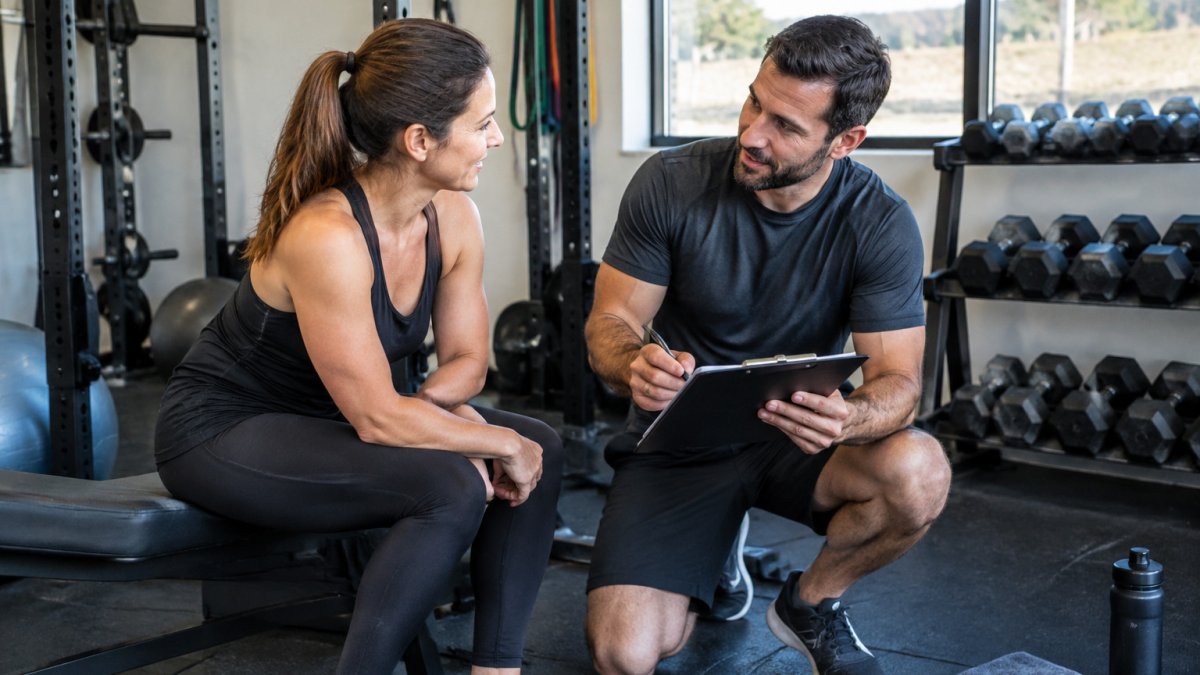
Private training gives you focused attention that a busy gym floor cannot offer. Sessions are available in-home or at a private gym, and consistent accountability can help keep you on track between workouts. If you are looking for local options, a directory of personal trainers near you can help you compare providers in your area. When you are ready to begin, find personal training in Trumbull to see how sessions are arranged, and explore custom workout programs to learn how plans are tailored to individual goals.

Choose a trainer whose credentials you can verify, whose communication style suits you, and whose approach to safety and progress matches your expectations. Ask about their experience with clients who share your goals, and discuss how they would adapt training around an injury or a tight schedule. Personal Training Alliance is glad to answer those questions before you commit.
Frequently Asked Questions
Is a personal trainer worth it for weight loss?
A personal trainer can be worth it if you struggle to stay consistent on your own. Trainers provide a structured plan, adjust workouts as you progress, and hold you accountable for showing up. Results still depend on your effort outside sessions, including eating patterns and sleep. Before committing, ask for a clear plan, a description of how progress will be measured, and an honest conversation about what a realistic timeline looks like for your body and schedule.
Do personal trainers provide nutritional guidance?
Many personal trainers offer general nutrition guidance, such as meal timing, portion awareness, and habit changes that support a calorie deficit. Some also offer online nutrition programs as part of a training package. Trainers are not a substitute for a registered dietitian or your physician, especially if you have a medical condition, take medication, or have a history of disordered eating. Ask whether the trainer holds a nutrition specialist certification and when a referral would be appropriate.
What should I look for in a personal trainer for weight loss?
Look for a current certification from a nationally recognized body, relevant specialty training such as nutrition or senior fitness, and a clear process for customizing workouts to your goals and health history. Ask how the trainer tracks progress beyond scale weight, such as strength gains, body measurements, and how your clothes fit. Also ask whether they offer in-home, private gym, or online sessions, and what the cancellation and pause policy is before you sign anything.


Comments